For years, RackPower has been focused on one essential part of the rack environment: power.
We’ve supplied reliable power distribution solutions to customers across New Zealand, helping keep critical infrastructure powered, protected and running reliably. But there’s one part of the rack we haven’t supplied — the rack itself.
And, as our customers have been telling us, it was time to change that.
“Do you do cabinets?”
“When are you going to start doing cabinets?”
“We need another quality cabinet supplier.”
We’ve heard these questions time and time again. Our customers were looking for a reliable alternative and, more importantly, a supplier who could provide more of the complete rack solution.
So, we listened.
We’ve supplied reliable power distribution solutions to customers across New Zealand, helping keep critical infrastructure powered, protected and running reliably. But there’s one part of the rack we haven’t supplied — the rack itself.
And, as our customers have been telling us, it was time to change that.
“Do you do cabinets?”
“When are you going to start doing cabinets?”
“We need another quality cabinet supplier.”
We’ve heard these questions time and time again. Our customers were looking for a reliable alternative and, more importantly, a supplier who could provide more of the complete rack solution.
So, we listened.
Shop Cabinets
Introducing RackPower Cabinets
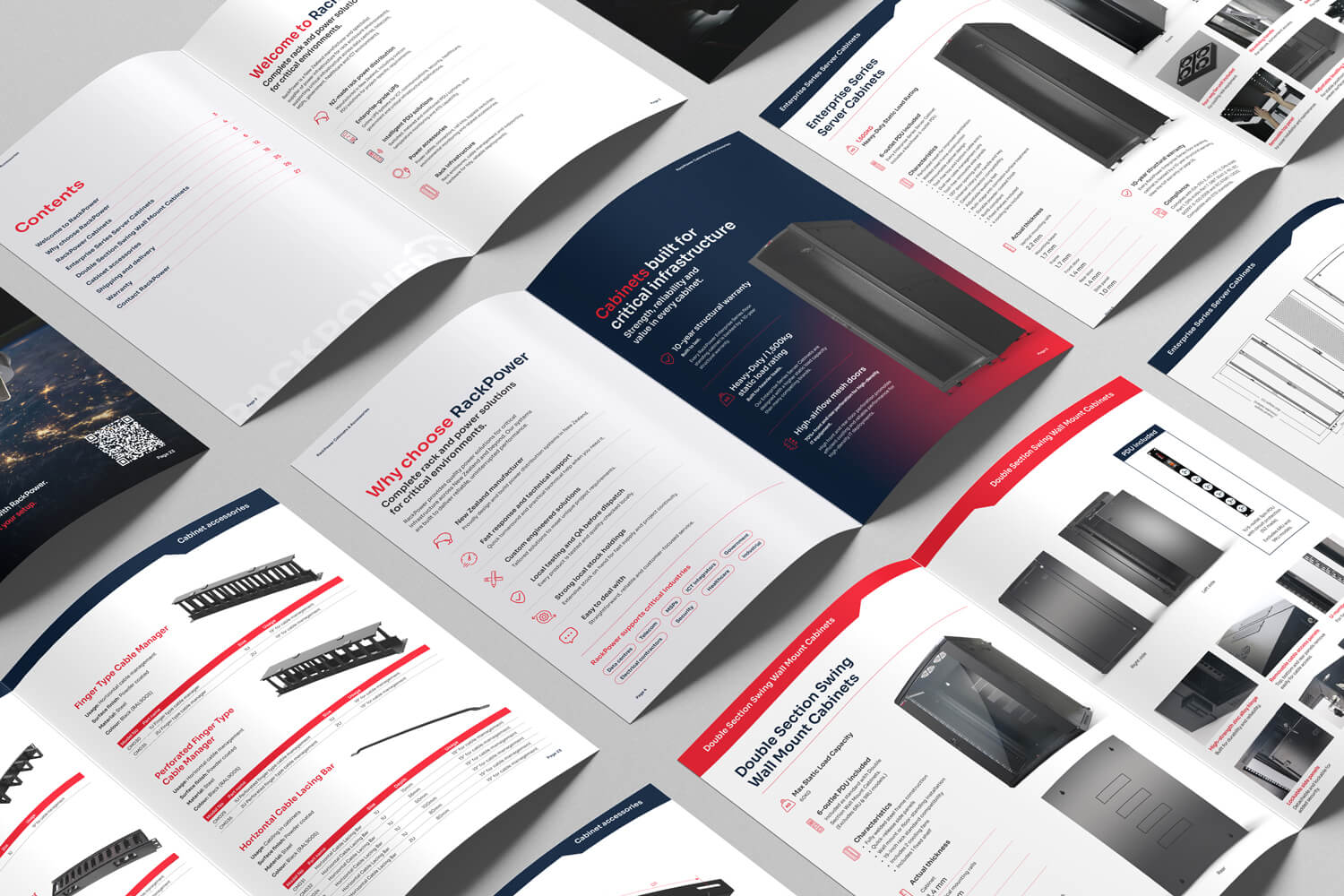
Our new range of RackPower Cabinets & Accessories extends our offering beyond power to provide a more complete solution for critical infrastructure environments.
Customers can now source the key components of a rack installation from one trusted supplier, including:
• Rack cabinets
• UPS systems
• PDU solutions
• Cable management
• Rack accessories
It’s a natural extension of what RackPower already does — bringing together the infrastructure required to build a reliable, organised and scalable rack environment.
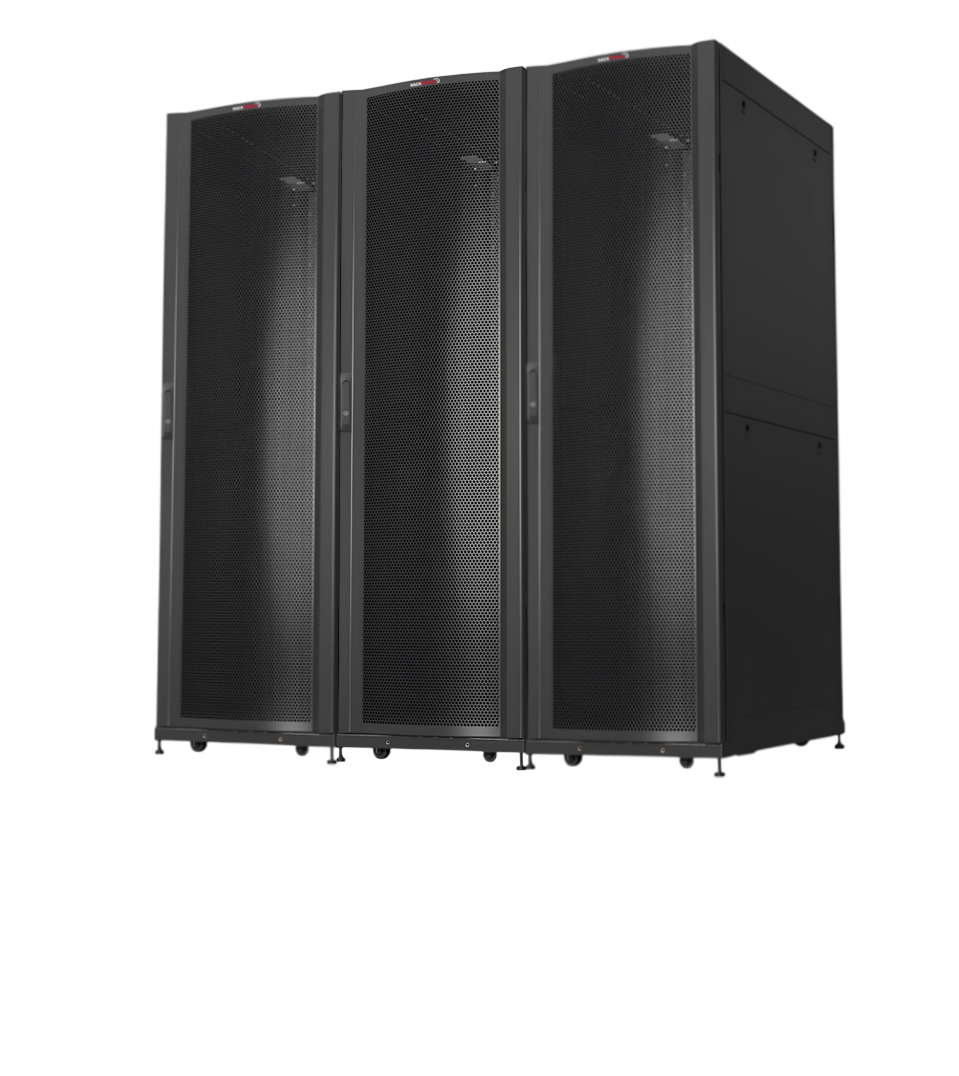
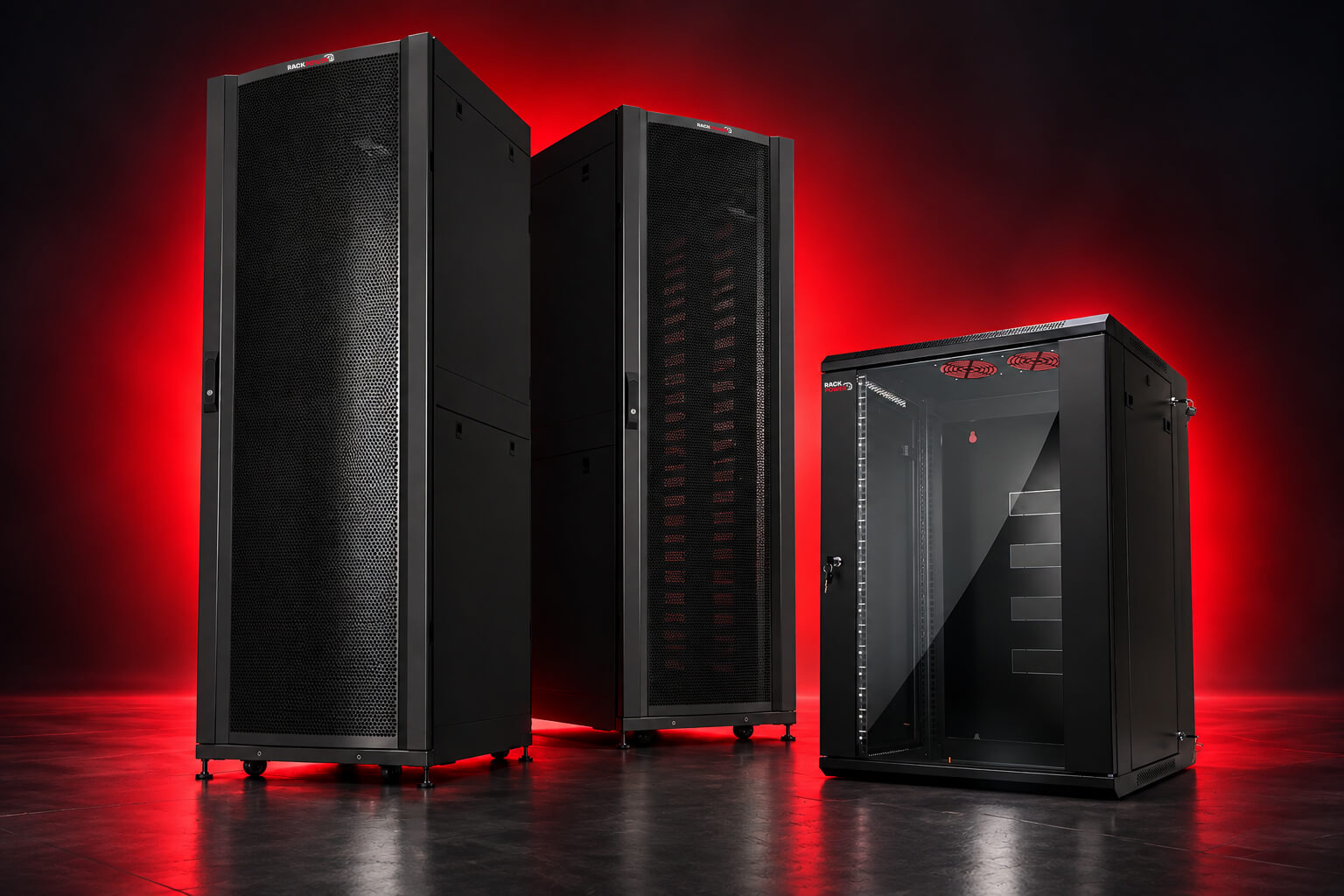
Our cabinet range includes Enterprise Series Server Cabinets for larger and higher-density IT deployments, as well as Double Section Swing Wall Mount Cabinets for smaller installations and network environments.
Customers can now source the key components of a rack installation from one trusted supplier, including:
• Rack cabinets
• UPS systems
• PDU solutions
• Cable management
• Rack accessories
It’s a natural extension of what RackPower already does — bringing together the infrastructure required to build a reliable, organised and scalable rack environment.
Our cabinet range includes Enterprise Series Server Cabinets for larger and higher-density IT deployments, as well as Double Section Swing Wall Mount Cabinets for smaller installations and network environments.
Download Cabinet Brochure
Built to the RackPower standard
Adding cabinets to our range was never about simply finding another product to sell.
We wanted to make sure the cabinets reflected what customers already expect from RackPower: reliability, quality, practical design and value.
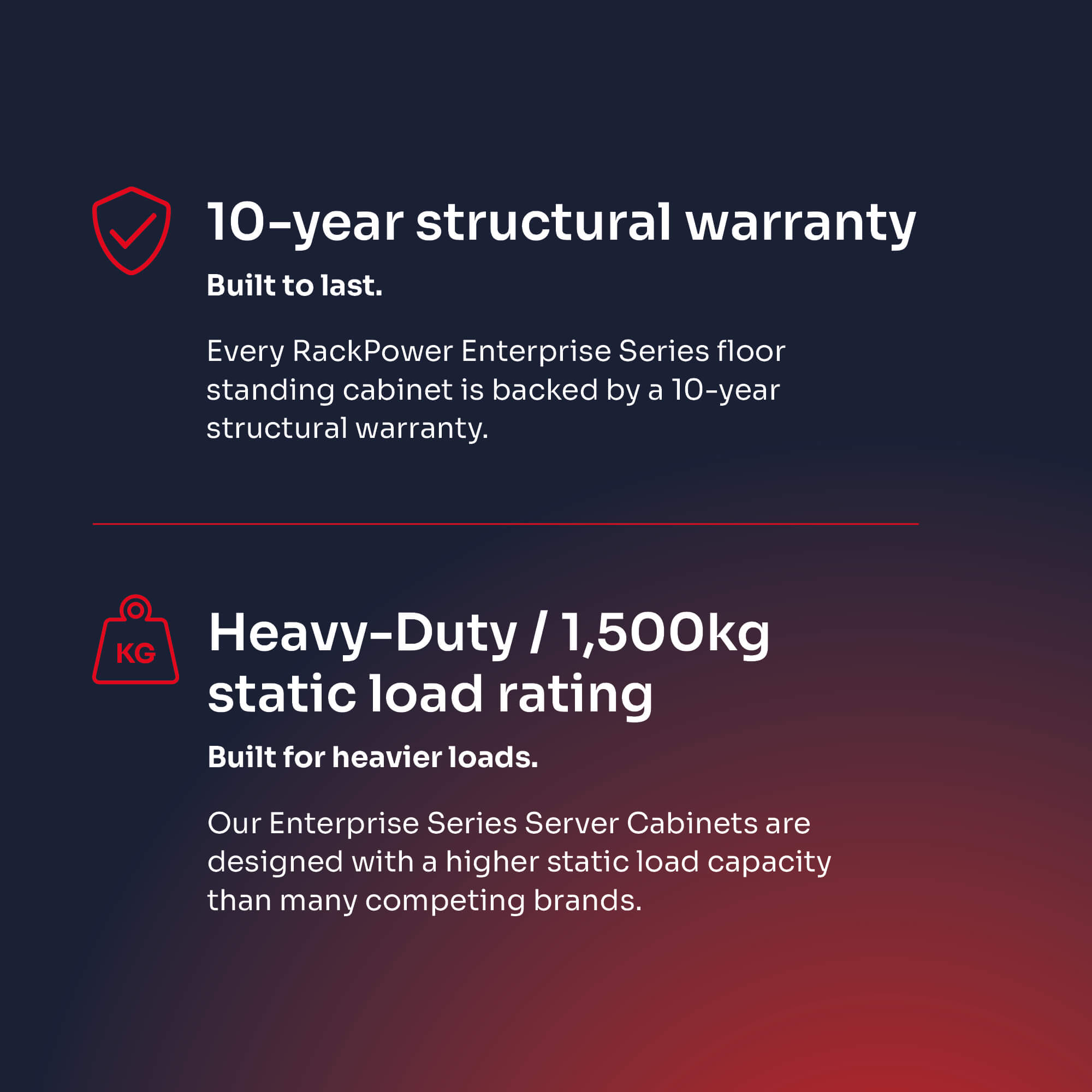
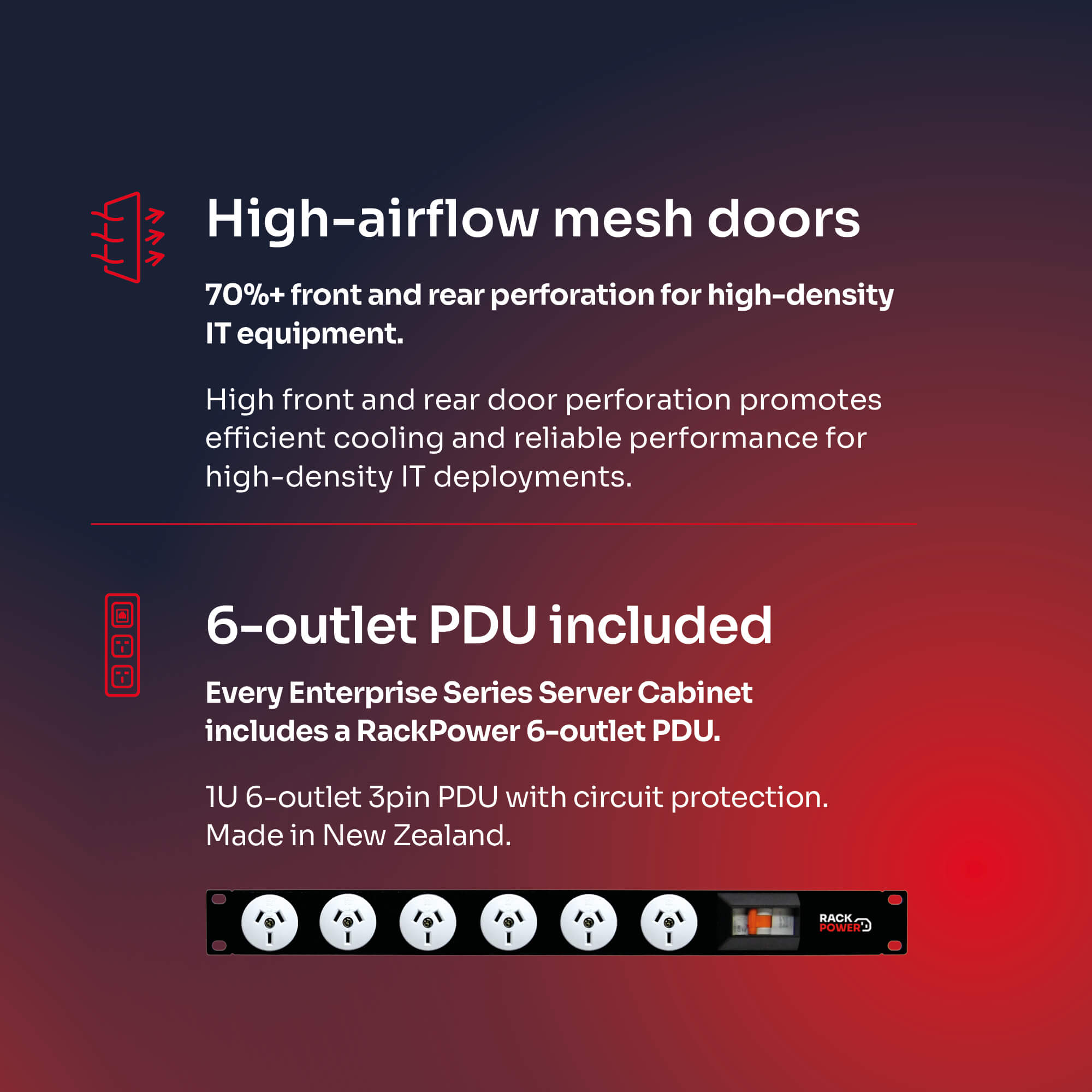
Our Enterprise Series Server Cabinets are built for demanding environments, with a 1,500kg static load rating and a 10-year structural warranty. They feature welded steel frame construction, high-airflow mesh doors with more than 70% front and rear perforation, adjustable mounting rails, integrated cable management and tool-free cable entry.
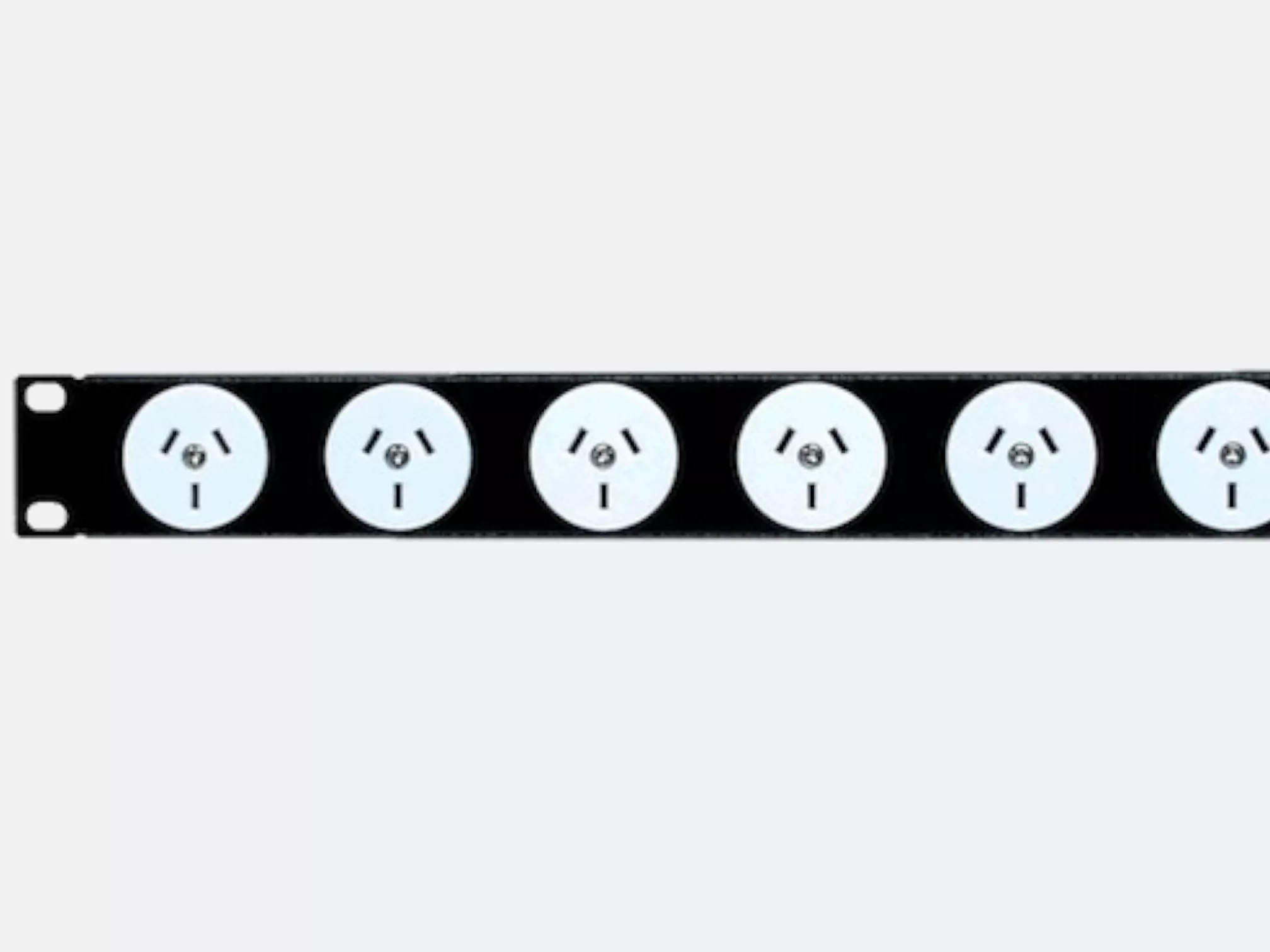
They also come with added value built in. Enterprise Series cabinets include a RackPower 6-outlet PDU, four cooling fans, three fixed shelves and rear cable management, and are delivered fully assembled for faster installation.
That means customers aren't just buying a cabinet. They’re getting a rack solution designed with the wider installation in mind.
We wanted to make sure the cabinets reflected what customers already expect from RackPower: reliability, quality, practical design and value.
Our Enterprise Series Server Cabinets are built for demanding environments, with a 1,500kg static load rating and a 10-year structural warranty. They feature welded steel frame construction, high-airflow mesh doors with more than 70% front and rear perforation, adjustable mounting rails, integrated cable management and tool-free cable entry.
They also come with added value built in. Enterprise Series cabinets include a RackPower 6-outlet PDU, four cooling fans, three fixed shelves and rear cable management, and are delivered fully assembled for faster installation.
That means customers aren't just buying a cabinet. They’re getting a rack solution designed with the wider installation in mind.
Shop Cabinets
One supplier. A more complete solution.
We know that specifying and installing rack infrastructure can involve multiple suppliers, products and points of contact.
By expanding our range, we can help simplify that process.
Whether you're fitting out a data centre, telecommunications environment, ICT room, government facility, healthcare environment or other critical infrastructure application, RackPower can now support more of what goes inside and around the rack.
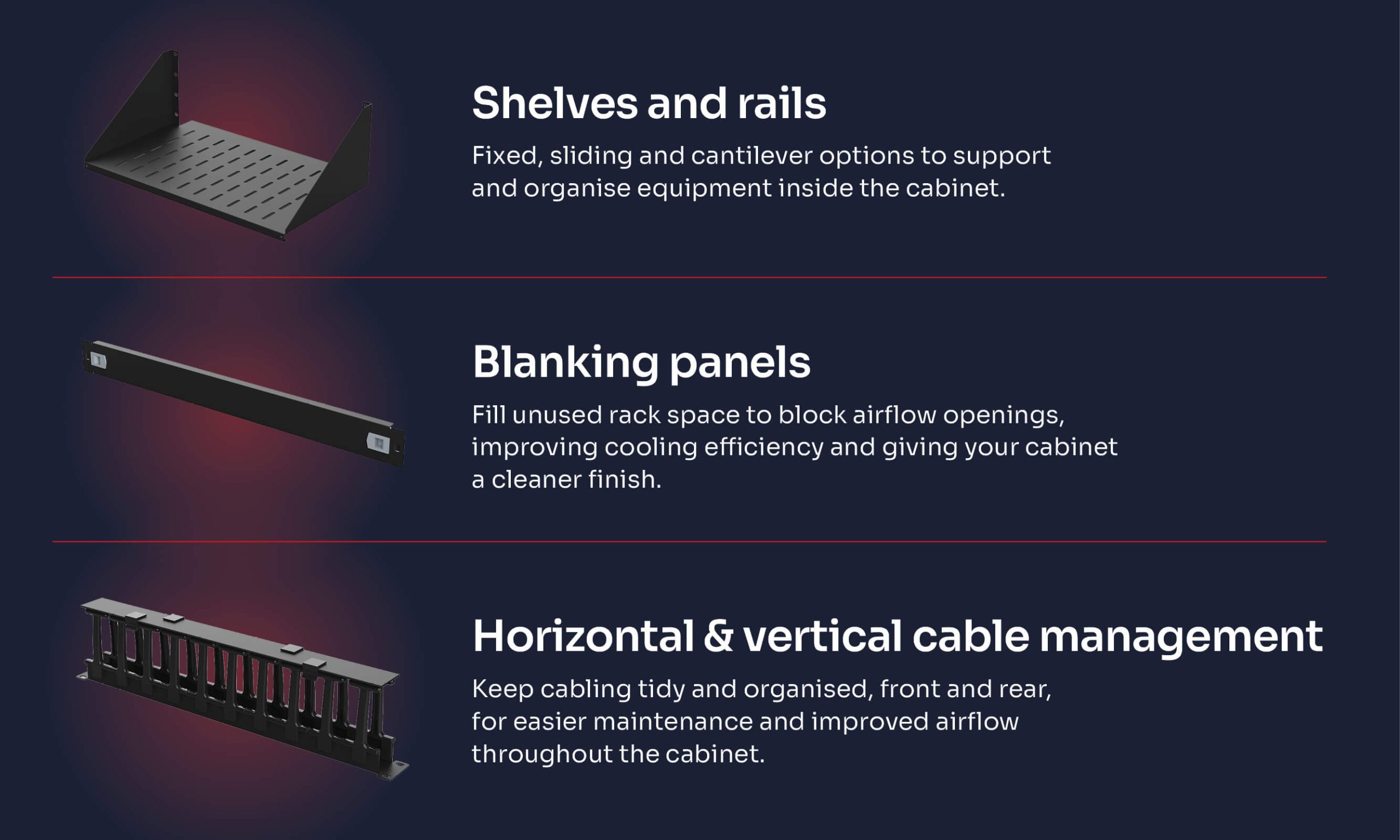
From the UPS supplying clean, reliable power, to the PDU distributing it, and cable management keeping the installation organised and performing efficiently, the cabinet provides the foundation that brings it all together. Our range of cabinet accessories also includes shelves, blanking panels, horizontal and vertical cable management, cable entry solutions and other supporting hardware to help create a tidy, practical installation.
By expanding our range, we can help simplify that process.
Whether you're fitting out a data centre, telecommunications environment, ICT room, government facility, healthcare environment or other critical infrastructure application, RackPower can now support more of what goes inside and around the rack.
From the UPS supplying clean, reliable power, to the PDU distributing it, and cable management keeping the installation organised and performing efficiently, the cabinet provides the foundation that brings it all together. Our range of cabinet accessories also includes shelves, blanking panels, horizontal and vertical cable management, cable entry solutions and other supporting hardware to help create a tidy, practical installation.
Shop Cabinet Accessories
We listened to our customers
Ultimately, the decision to introduce cabinets came from our customers.
You asked us to build cabinets. You told us you needed another quality cabinet supplier. And you wanted the convenience of being able to source more of your rack infrastructure from a supplier you already know and trust.
So, we’ve expanded our offering.
RackPower now supplies the power — and the rack that houses it.
It’s another step towards our goal of providing complete rack and power solutions for critical environments, while staying true to what RackPower has always stood for: reliable products, practical solutions, strong local support and value for our customers.
You asked us to build cabinets. You told us you needed another quality cabinet supplier. And you wanted the convenience of being able to source more of your rack infrastructure from a supplier you already know and trust.
So, we’ve expanded our offering.
RackPower now supplies the power — and the rack that houses it.
It’s another step towards our goal of providing complete rack and power solutions for critical environments, while staying true to what RackPower has always stood for: reliable products, practical solutions, strong local support and value for our customers.
Ready to build your complete rack solution?
Talk to the RackPower team about your next project. We can help you select the right combination of cabinet, UPS, PDU, cable management and accessories for your application.
RackPower — Built for critical infrastructure.
Get in touch