How much UPS runtime does your rack really need?
Most people asking "how long will my UPS last?" are asking the wrong question. The useful question is: what has to happen before the batteries run out?
In New Zealand, most power cuts are short. A line fault, a storm or planned lines-company maintenance can drop a site for anything from a few seconds to several hours. Your UPS doesn't need to bridge every one of those. It needs to give your systems enough time for one of three things.
Pick the job the UPS has to do
- Ride through short outages. The rack stays up through flickers and brief cuts, with no one needing to act. For most offices and small comms rooms, this is the main job.
- Shut down cleanly. If the outage runs long, servers and storage close down in order before the batteries are flat. This needs shutdown software configured and tested, not just battery time.
- Hand over to a generator. The UPS carries the load for the minute or two it takes a generator to start and stabilise. Runtime here is short, but the UPS has to cope with generator power, which is where a true online unit earns its keep.
Write down which one applies before you look at any numbers. A rack that only needs a clean shutdown might need 10–15 minutes. A rack expected to ride through a two-hour lines-company outage is a very different purchase.
Why half the load doesn't mean double the runtime
Battery runtime isn't linear. Draw a battery down faster and you get proportionally less energy out of it. So a UPS that runs 4 minutes at full load will usually run more than 8 minutes at half load, and will shut down almost immediately if you overload it.
That's why you should read runtime from the table for your actual load, not scale one headline figure up or down.
RackPower online rack UPS: indicative runtime (minutes)
| Model | Batteries | 25% load | 50% load | 75% load | 100% load |
|---|---|---|---|---|---|
| 1 kVA (USS001BR) | Internal only* | 22 | 10 | 6 | 4 |
| 2 kVA (USS002BR) | Internal | 20 | 9 | 5 | 3 |
| +1 pack | 65 | 30 | 18 | 12 | |
| +2 packs | 110 | 50 | 31 | 21 | |
| 3 kVA (USS003BR) | Internal | 20 | 9 | 5 | 3 |
| +1 pack | 62 | 28 | 17 | 11 | |
| +2 packs | 105 | 48 | 29 | 20 | |
| 6 kVA (USS006BR) | Internal | 24 | 11 | 6 | 4 |
| +1 pack | 72 | 33 | 20 | 13 | |
| +2 packs | 125 | 57 | 35 | 24 | |
| 10 kVA (USS010BR) | Internal | 18 | 8 | 5 | 3 |
| +1 pack | 55 | 25 | 15 | 10 | |
| +2 packs | 95 | 43 | 27 | 18 |
Indicative figures for new, fully charged batteries at around 25 °C. Real runtime falls with battery age, higher temperatures and uneven load. Ask us for a runtime check on your exact setup. *The 1 kVA model runs on internal batteries only and does not take external battery packs.
Estimate your runtime
Pick a UPS and battery option, then enter your rack's measured peak load.
Calculator loading. If this message does not change, JavaScript is being blocked on this page.
Extending runtime
If the internal batteries don't give enough time at your load, add external battery packs rather than jumping to a bigger UPS. A bigger UPS gives you more capacity; it doesn't automatically give you more time. In the table, a 2 kVA unit with one external pack at 50% load runs over three times longer than a 3 kVA unit on internal batteries at the same percentage. External packs are available for the 2 kVA to 10 kVA models; the 1 kVA runs on internal batteries only.
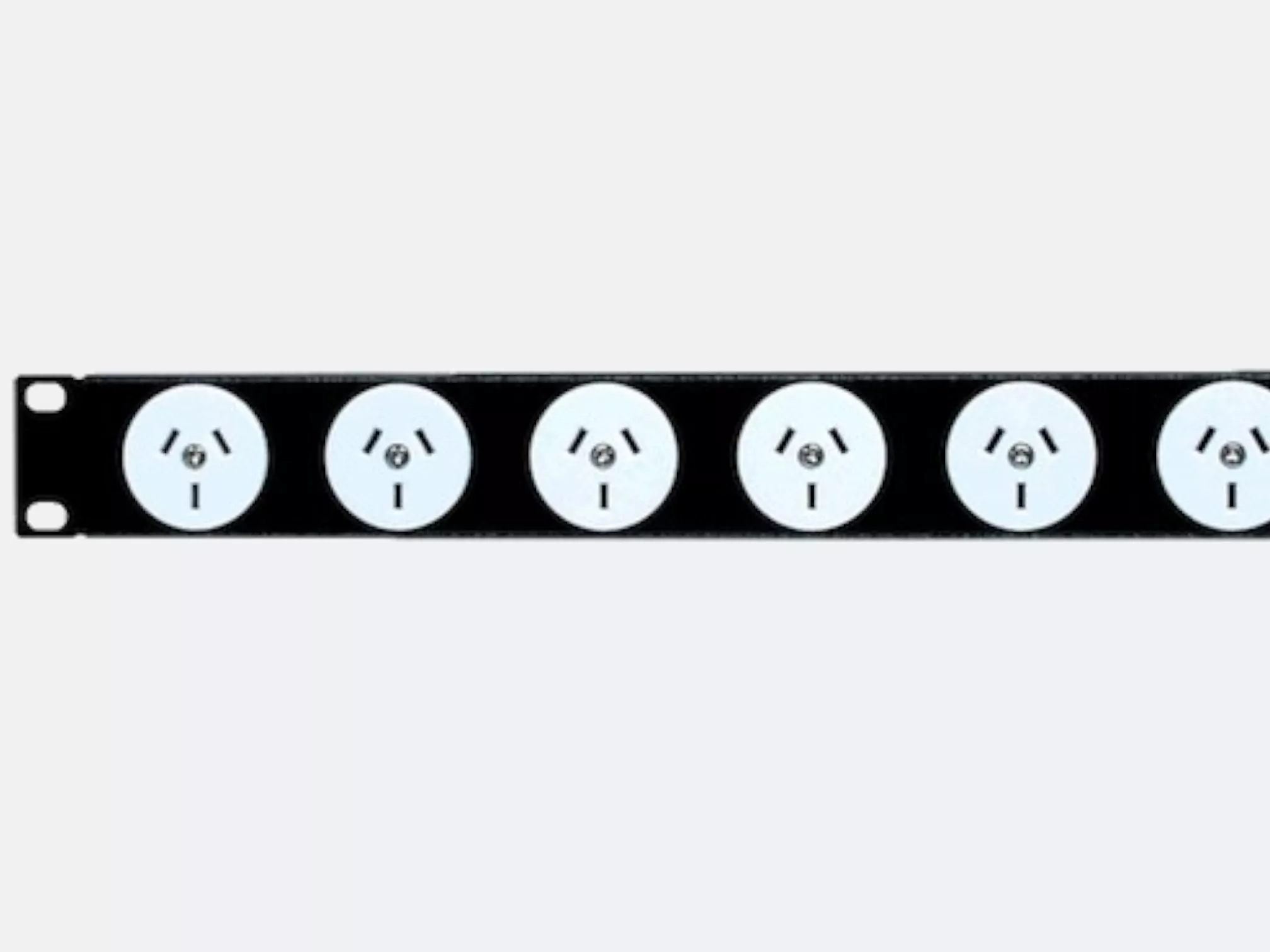
The other lever is shedding load. If a non-critical device (a test server, a display, a second switch) is on the UPS, moving it to mains-only power buys runtime for the equipment that matters. An individually switched PDU or an outlet-switched intelligent PDU lets you do that remotely during an outage.
What runs your runtime down over time
The runtime you measure on day one isn't the runtime you'll have in year four. Two things matter most:
- Battery age. Sealed lead-acid UPS batteries typically need replacing every 3–5 years. Capacity fades gradually, so a test each year shows you when it's time.
- Heat. Batteries in a hot comms cupboard age much faster than batteries in an air-conditioned room. If your UPS lives in a closed cabinet with no airflow, plan on shorter battery life.
A common scenario. A UPS is installed with 15 minutes of runtime and a shutdown script set to trigger at 5 minutes remaining. Four years later, sitting in a warm cupboard, the batteries have lost most of their capacity. When a storm takes out the power, the UPS reports low battery almost immediately, the servers drop before the script fires, and the first anyone knew of the problem was the outage itself. An annual runtime test would have flagged it years earlier, and a battery set would have fixed it.
Test it before an outage tests it for you
Once a year, or after any change to the rack, run a controlled test: confirm the load, switch to battery following the UPS manual, and note how long it runs and whether shutdown scripts fire. Keep the result. If this year's runtime is well below last year's at the same load, the batteries are due.
Get help with your runtime
Tell us your equipment list and how long you need to stay up, and we'll recommend a RackPower online UPS and battery combination.
Contact RackPower Call 0800 452 140